Journalism, non-fiction and commentary
-
A Cautionary Tale
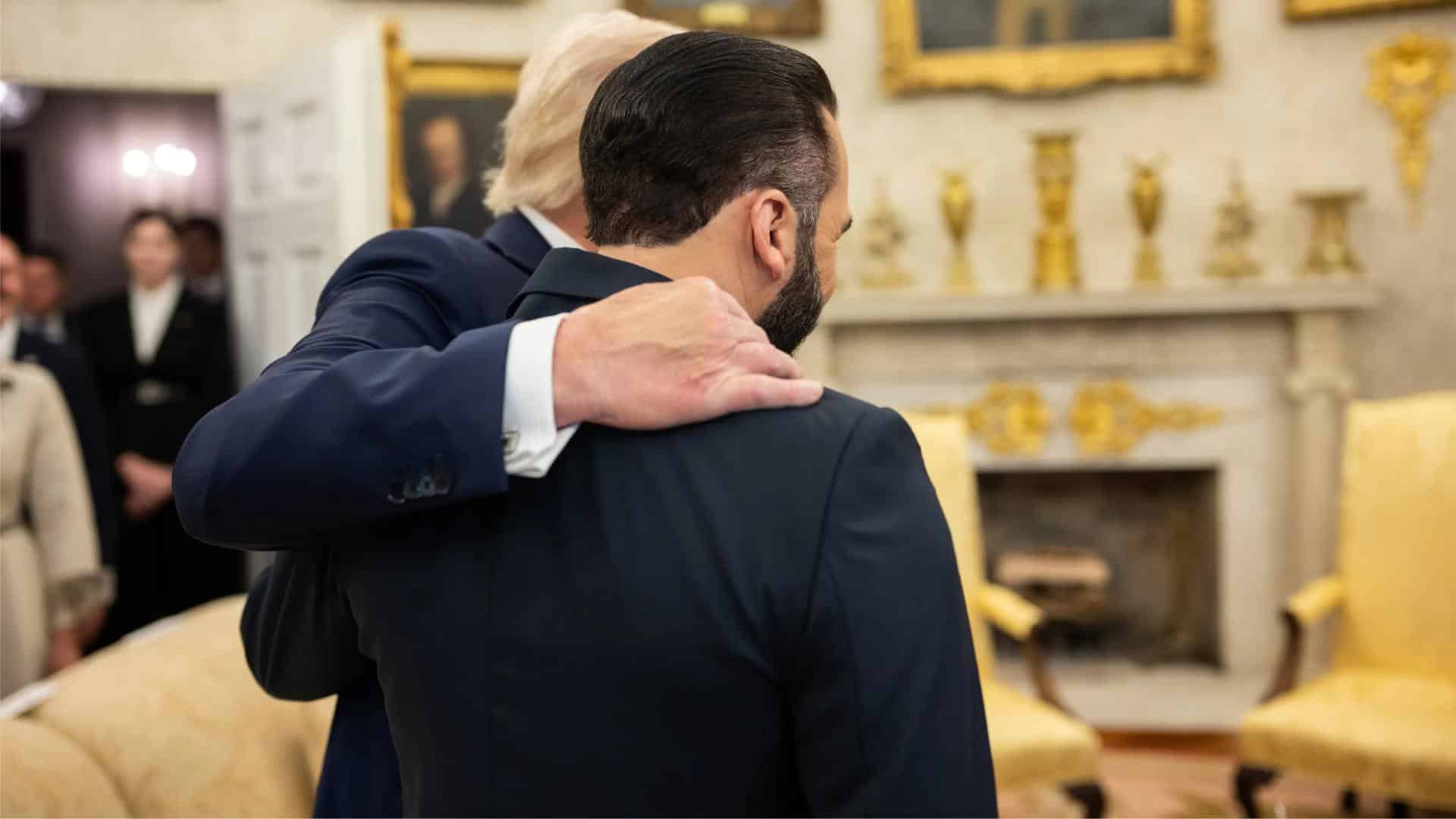
I wrote an article for my friends at News Decoder about the age-old balance between security and freedom, and how the increasingly dictatorial Nayib Bukele in El Salvador should be a cautionary tale, not an inspiration, for his admirers in the United States.
-
Can the U.S. Make Peace With Migration?
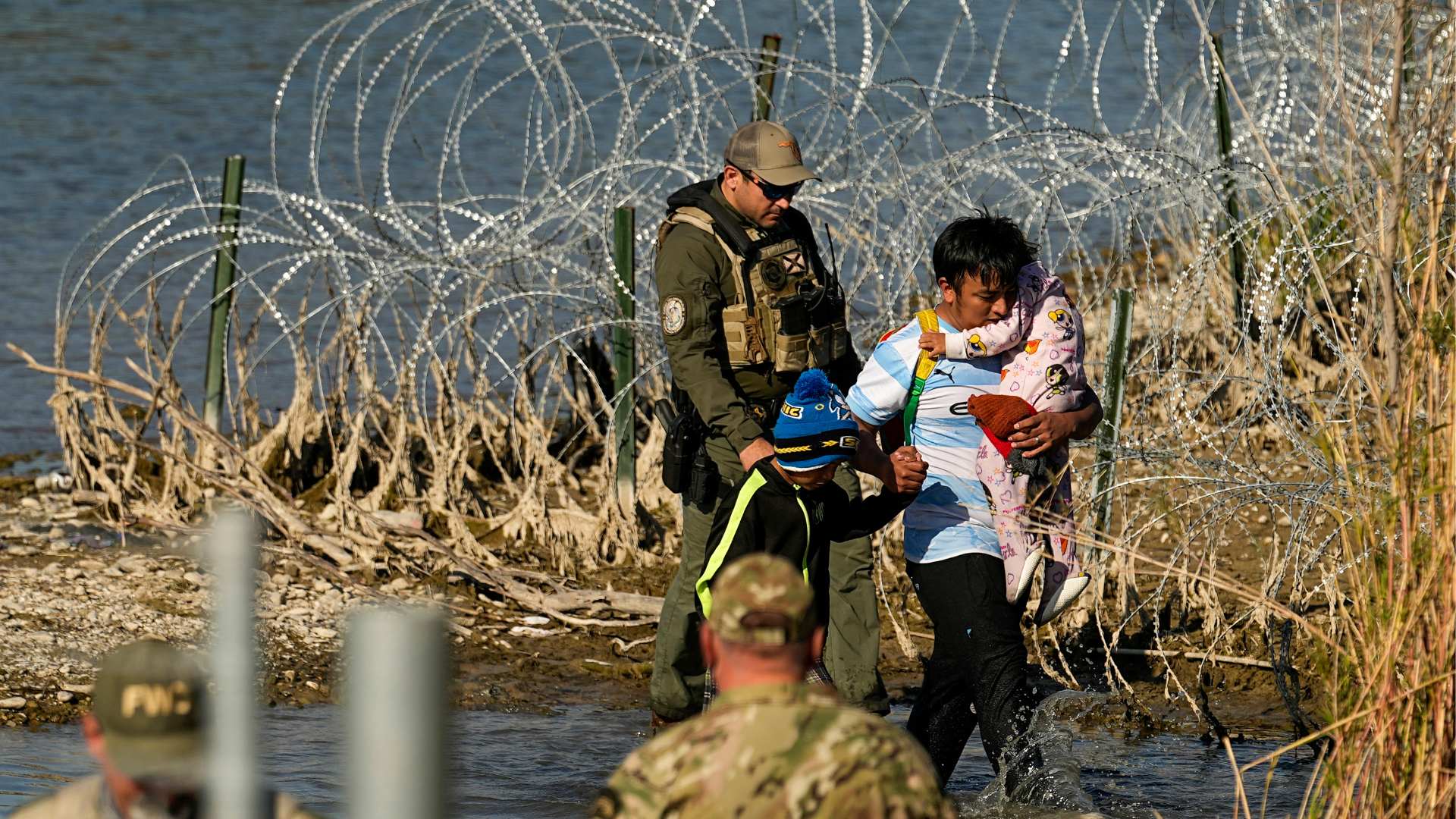
Borderlands, in many cultures, can be places of transformation — and danger. You might find a new life. You might simply vanish. You might die. That’s rarely been truer than for people trying to reach and cross the U.S. border from the south right now.
Here’s an article I wrote about migration and America for News Decoder.
-
The Wheel of Violence
Here’s an article I wrote recently about cycles of generational violence and trauma for my good friends at News Decoder. It’s about El Salvador, where I worked in the early 1990s, but it could be about many other places too. Repression and violence breed future trauma, and where trauma is unresolved there is no lasting peace.
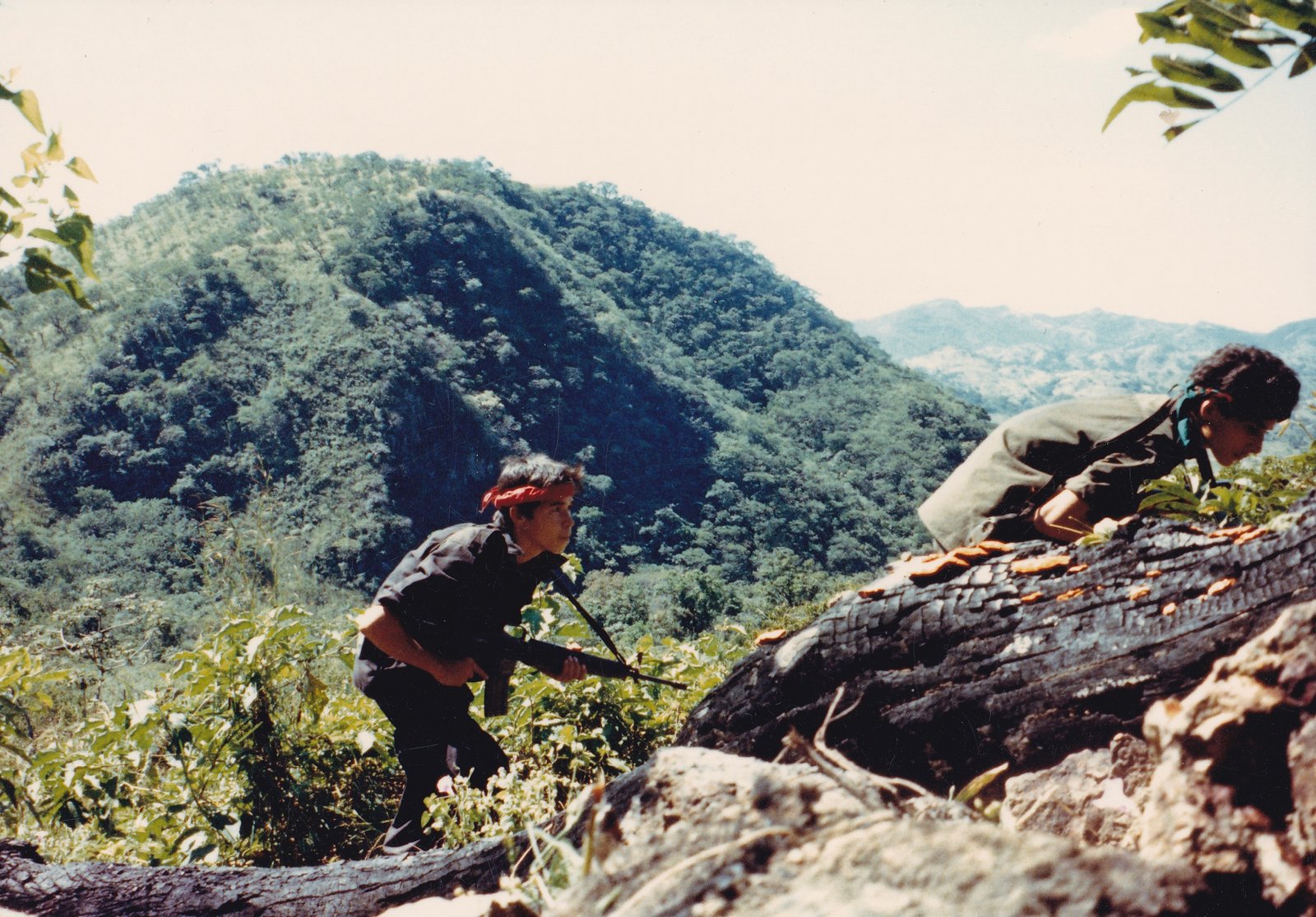
FMLN guerrillas in El Salvador, 1991. Photograph by Martin Langfield -
How not to be a tool
Professional spooks know what a powerful tool disinformation is.
-
Why protests in Latin America matter
I wrote a piece on Latin America’s protests in late 2019 – and why they matter, especially to young people – for my good friends at News-Decoder. Here’s a link! I think it stands up quite well still.
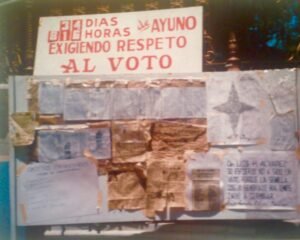
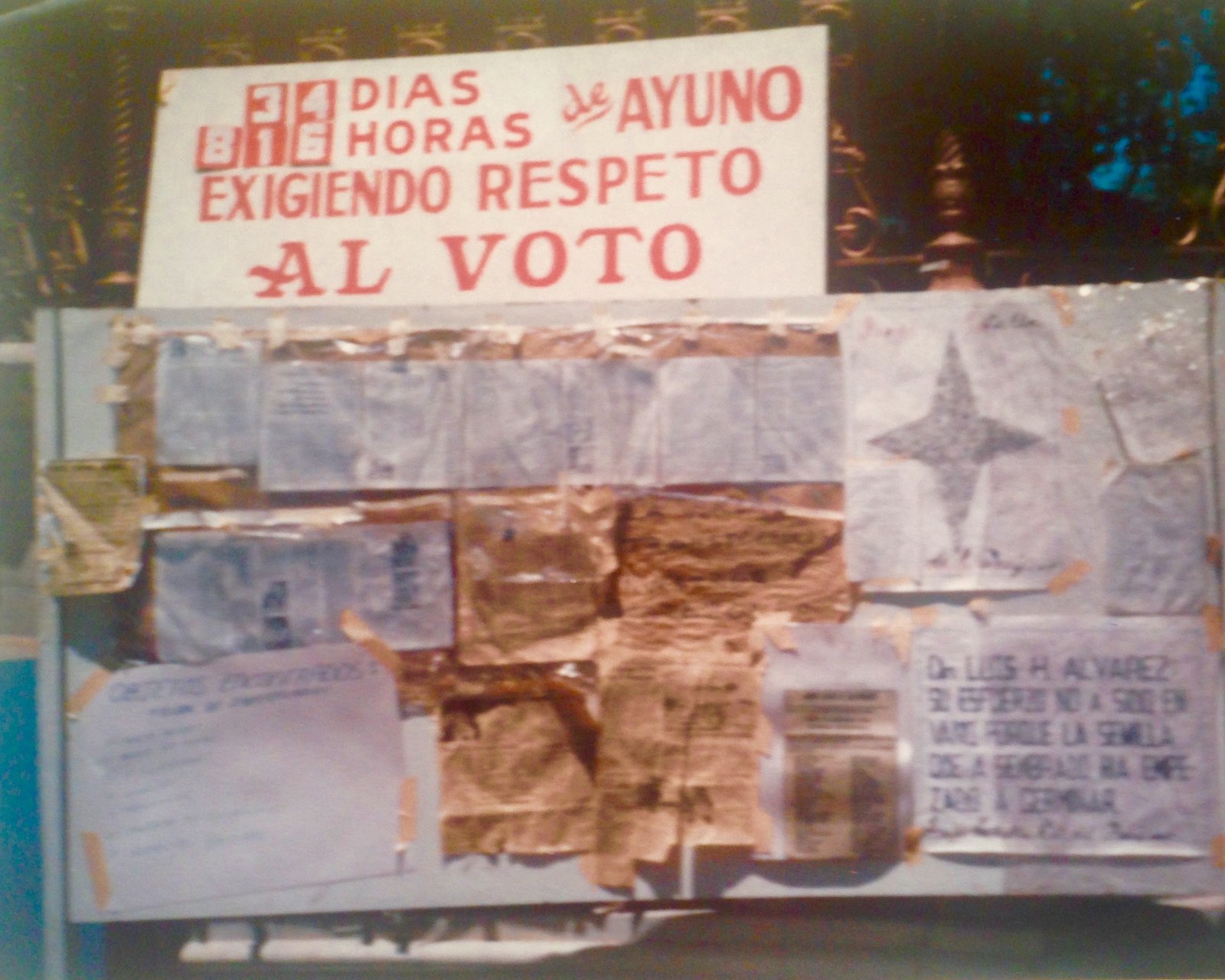
Election protest in Chihuahua, Mexico, 1986. Photo by Martin Langfield. -
Fool me once …
Important work here from the good people at First Draft:

-
Good news amid the noise
My former mothership Reuters has announced the expansion of its award-winning e-learning course on helping newsrooms around the world spot deepfakes and manipulated media in 12 additional languages.
This is an excellent resource, instructive for anyone interested in learning how to spot real fakery and manipulation.
-
Bipartisan! Practical! Non-incendiary!
Shocking, I know, but here are 14 sensible recommendations for the upcoming U.S. elections and an executive summary that will take maybe two minutes to read. What are some other exciting words? Pragmatic. Non-inflammatory. Feasible. Worth a read.
Fair Elections During a Crisis: Bipartisan and Diverse Blue-Ribbon Group of Scholars and Thinkers Releases Report on Urgent Changes Needed for November U.S. Elections
— Read on www.law.uci.edu/news/press-releases/2020/fair-elections-report.html -
Fact vs. fiction
This is a time when facts save lives and misinformation can kill. Here are some useful resources I’ve consulted in recent weeks:

A detail from my father’s paramedic uniform insignia. Photo by Martin Langfield. Newsguard: Who are the misinformation super-spreaders?
Smithsonian Magazine: How to Avoid Misinformation About COVID-19
-
If we can’t be saints, let’s be healers
In this time of virus lockdown, social distancing and polarization, these lines from the final pages of “The Plague” by Albert Camus (1947) seem useful:
“(He) decided then to write the account which ends here, in order not to be among those who stay silent, in order to leave at least a memory of the injustice and violence done to them, and to state simply what we learn in the midst of plagues, that in humankind there are more things to admire than things to despise. But he knew nevertheless that this chronicle could not be that of a final victory. It could only bear witness to what had to be done and would have, no doubt, to be done still, against fear and its tireless weaponry, despite their personal losses, by all the people who, unable to be saints and refusing to accept pestilence, try nevertheless to be healers.”
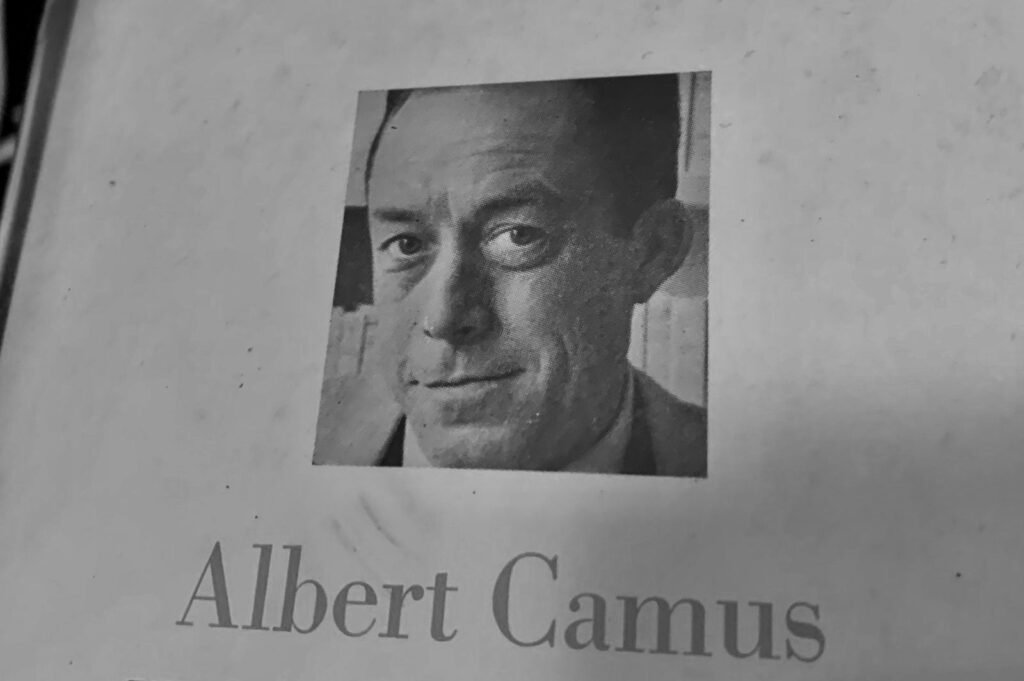
Pléiade edition of Camus’ works, which I bought in Nantes in 1978. Photo by Martin Langfield (Translation is mine. Camus uses “médecins” at the end, which means “doctors,” but since we can’t all be doctors like his narrator, I chose a broader term.)
-
“Peace will generate even more pathology”
I fear my 1990 Reuters piece (as printed here in the L.A. Times) was prescient, sadly, about the mental fallout of El Salvador’s civil war. May other warring and post-warring nations do better.
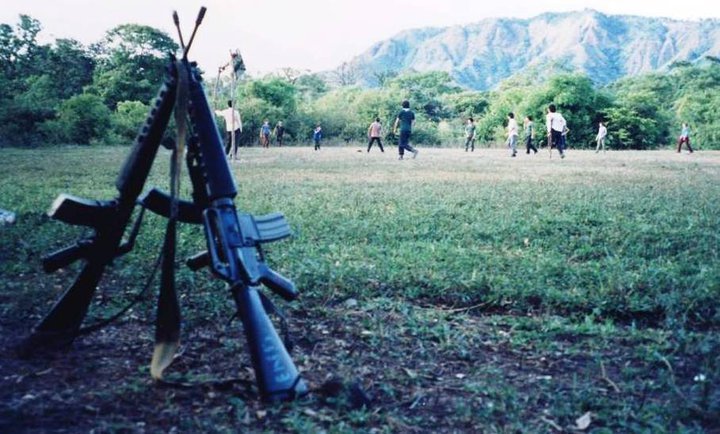
Photo by Martin Langfield, El Salvador, 1991. -
Review: The attack of the killer fridges has begun
The world is ever more connected via the internet, from cars and power grids to home appliances and toys. That means ever more things are dangerously hackable, security expert Bruce Schneier writes in “Click Here to Kill Everybody.” The title is hyperbolic, but not by much. In some ways, the attack of the killer fridges has already begun. Here’s my review.
-
Review: The other side of Trumpismo
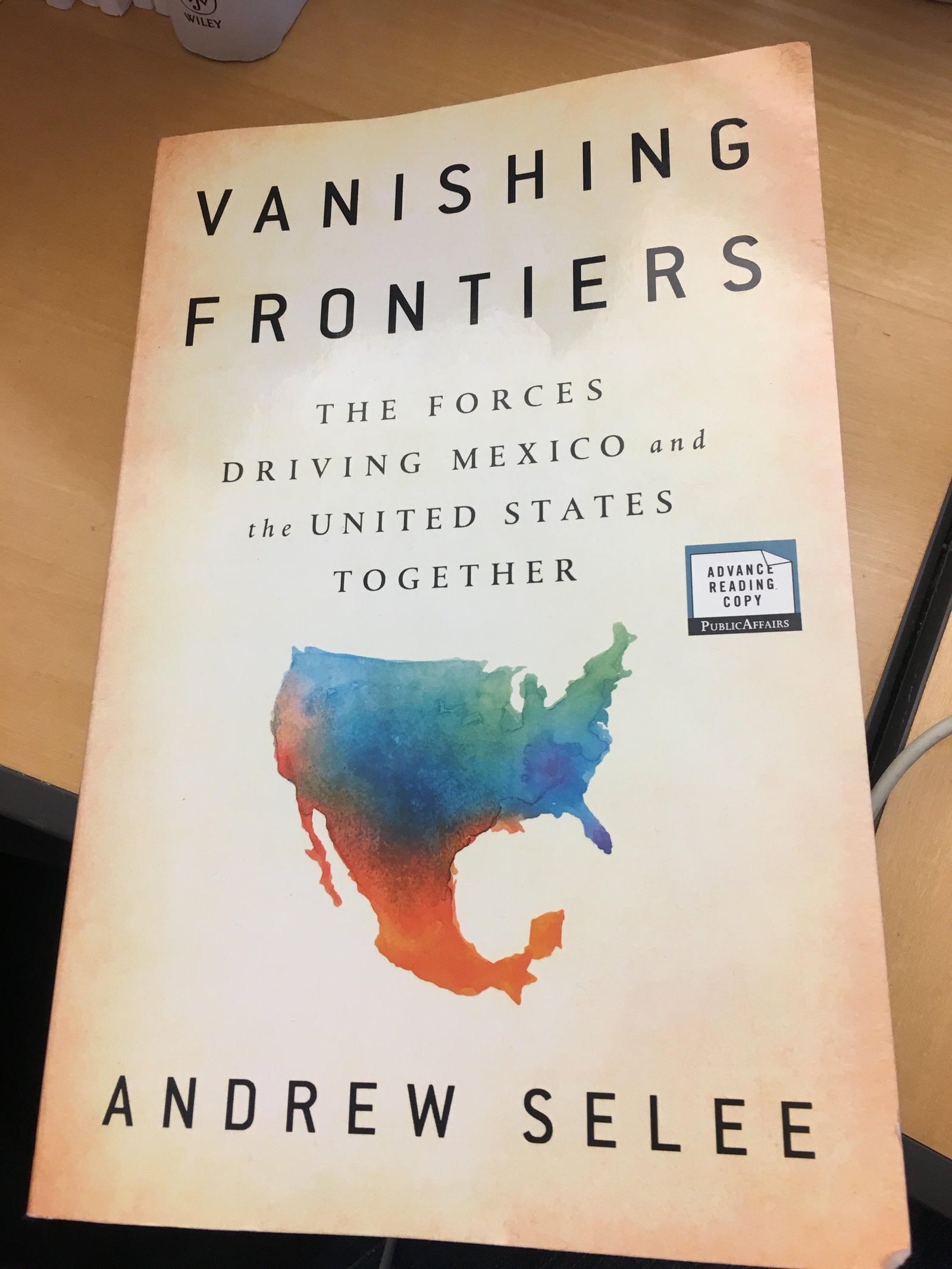
Mexico and the U.S. share complex, ever-deeper ties that contradict Donald Trump’s hostile rhetoric, Andrew Selee writes in “Vanishing Frontiers.” Bicultural businesses, movies and even co-hosting soccer’s 2026 World Cup are better signposts to the future than nationalist rants. Read my review.
-
Review: The next fight for Latin America’s soul
My review of Michael Reid’s excellent “Forgotten Continent: A History of the New Latin America.”
Dictators and demagogues have come and gone; progress in the region has been impressive. Still, rule of law and effective institutions still lack, Michael Reid writes in “Forgotten Continent.” That makes the next steps toward prosperity harder.
-
Talk to me

Reposting this 2012 piece I wrote on how people of left and right can talk to each other, and the value of dissent.
-
Castro embodied the weakness of strongmen
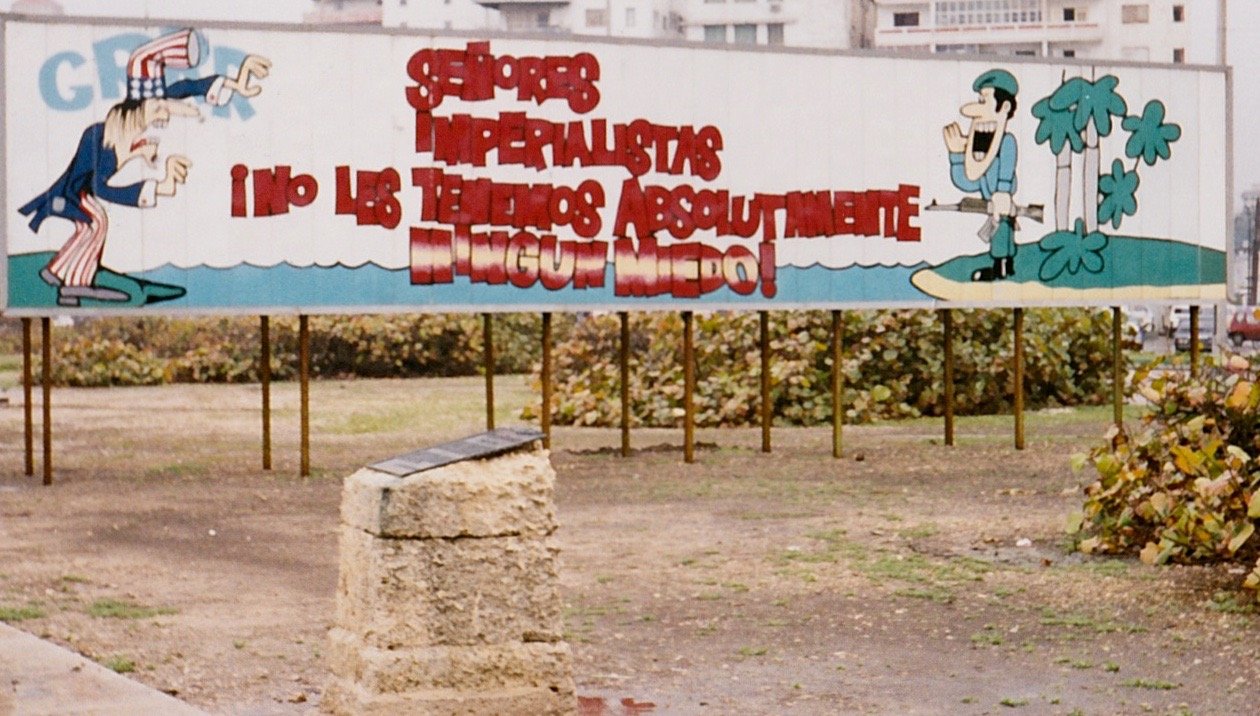
(Havana, outside the U.S. Interests Section of the Swiss Embassy, 1998. Photo by Martin Langfield.) My column on the passing of Fidel Castro.
The charismatic Cuban leader resembled other paternalistic caudillos of right and left in his outsized ego, which ultimately stymied his people. Cubans, like other Latin Americans, need institutions more than saviors like Fidel. Venezuela’s leaders are another example.
-
Review: To have and have not, Brazil-style
In “Brazillionaires,” Alex Cuadros explores Latin America’s biggest economy through its wealthiest citizens, whose fortunes he tracked as a reporter. It’s a tale of boom, bust and back-scratching among moguls and politicos that sheds a telling light on the nation’s current woes. Read my review.
-
Review: A cracking read
“Narconomics” by Tom Wainwright is both an extended black joke and a hard-headed analysis of the drug trade as a business (almost) like any other. A largely persuasive case for legalization, and funny to boot. Read my review.
-
Review: Dealmaking when lives are at stake
Financiers like to compare their negotiations to military strategy. Yet the art of the deal matters far more when those talking also kill. Jonathan Powell’s “Terrorists at the Table” is a primer like few others, by a worldly ex-diplomat of stubborn hope. It’s also darkly funny. Here’s my review.
-
Review: Modernizing Mexico, one feud at a time
Two Mexicos coexist, one an insular land of hard-to-kill monopolies in politics and business, the other more outward-looking, embracing modernity and even the United States. In “Amarres perros” pundit-politician Jorge Castañeda recalls a life of trying to change the balance. This is my review.
-
Review: Choking on digital exhaust
Government and corporate mass surveillance of citizens is an aberration on a par with child labor or environmental pollution, argues security expert Bruce Schneier in “Data and Goliath.” He offers a rousing call for resistance, and hope for change – a few decades hence. Read my review.
-
Review: Monetizing the moment
The Mad Men are watching you. Here’s my column on privacy and online ads in Mike Smith’s “Targeted.”
-
Review: A user’s guide to slacking at work
The shirk ethic, or tips for workplace idleness: my review of “Empty Labor” by Roland Paulsen. -
Review: Walking cure for cash-strapped U.S. cities
With financial woes hitting American cities big and small, urban revival requires attracting residents who prefer foot power to cars, says city planner Jeff Speck in “Walkable City.” A demographic bulge of millennial workers and empty-nesters want walkability. Build it, and they will come. Here’s my review.