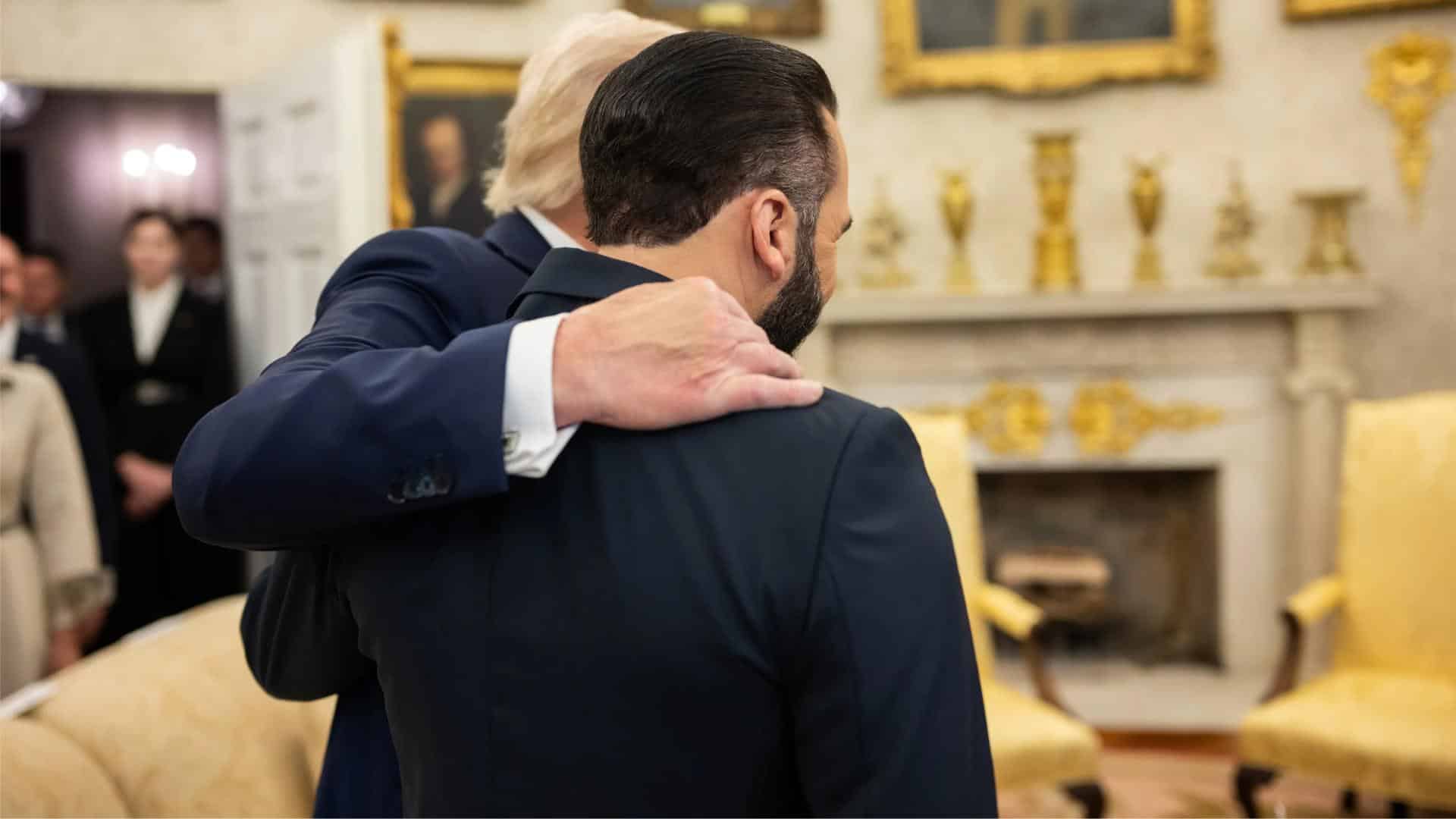
I wrote an article for my friends at News Decoder about the age-old balance between security and freedom, and how the increasingly dictatorial Nayib Bukele in El Salvador should be a cautionary tale, not an inspiration, for his admirers in the United States.
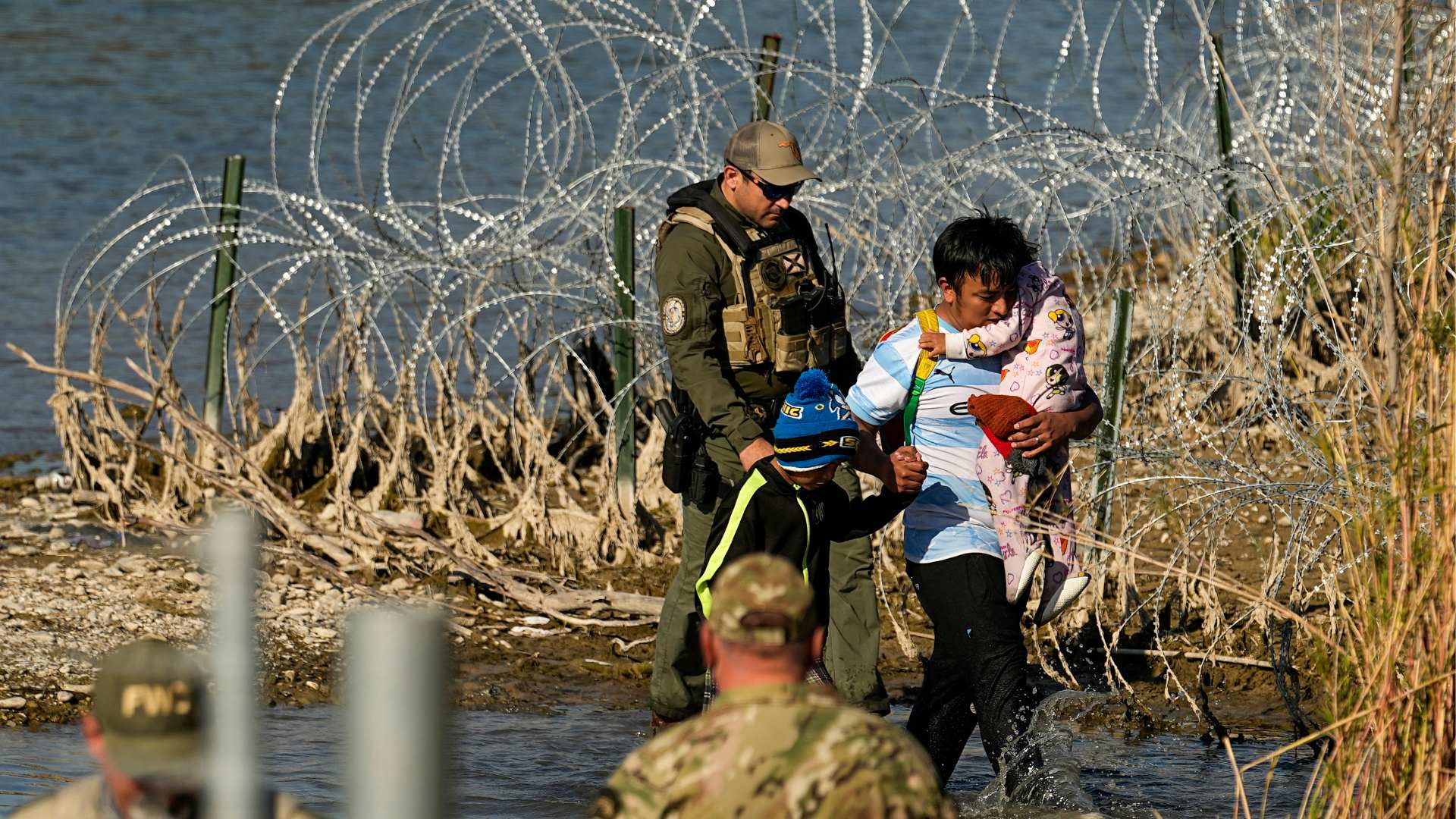
Borderlands, in many cultures, can be places of transformation — and danger. You might find a new life. You might simply vanish. You might die. That’s rarely been truer than for people trying to reach and cross the U.S. border from the south right now.
Here’s an article I wrote about migration and America for News Decoder.
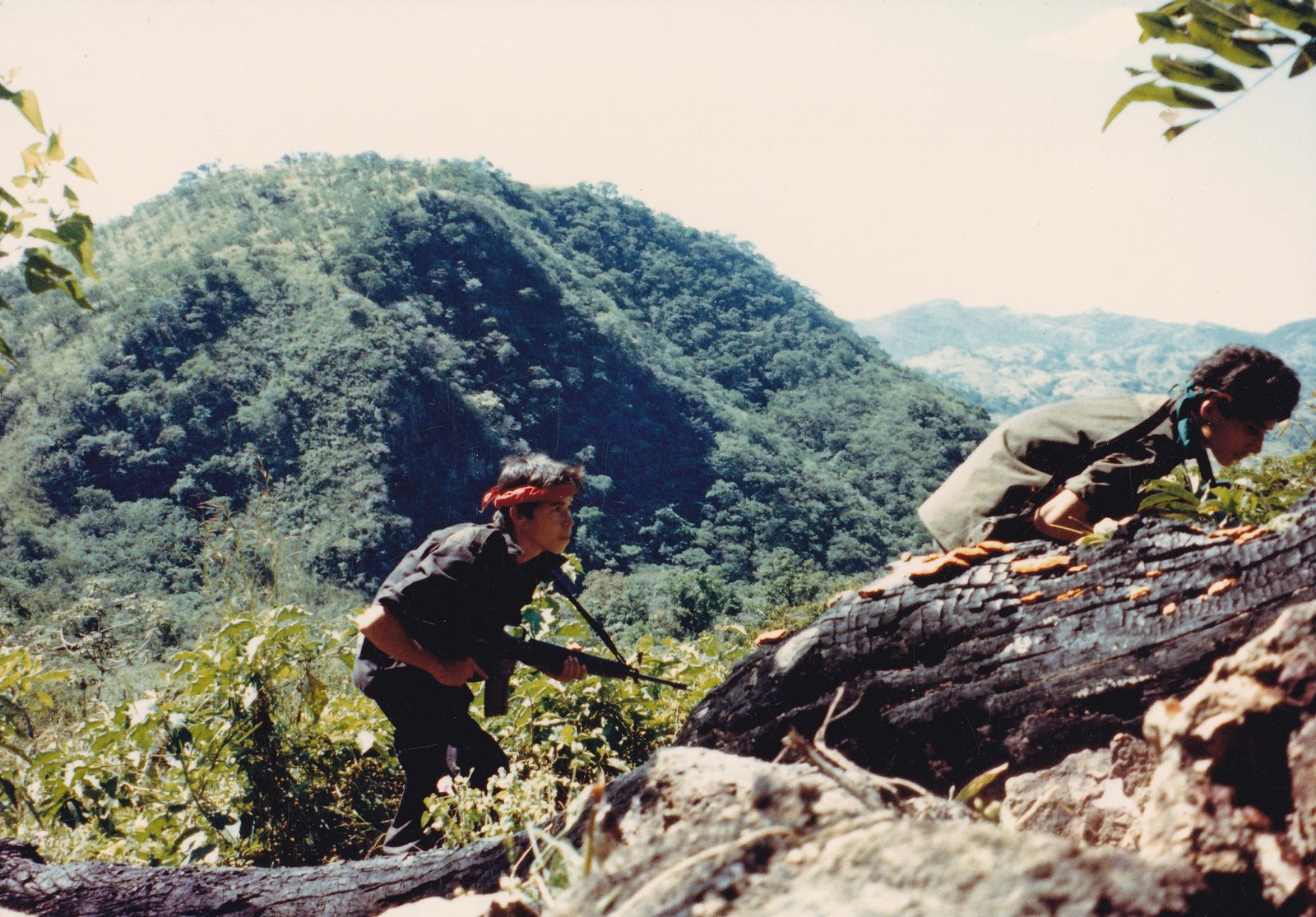
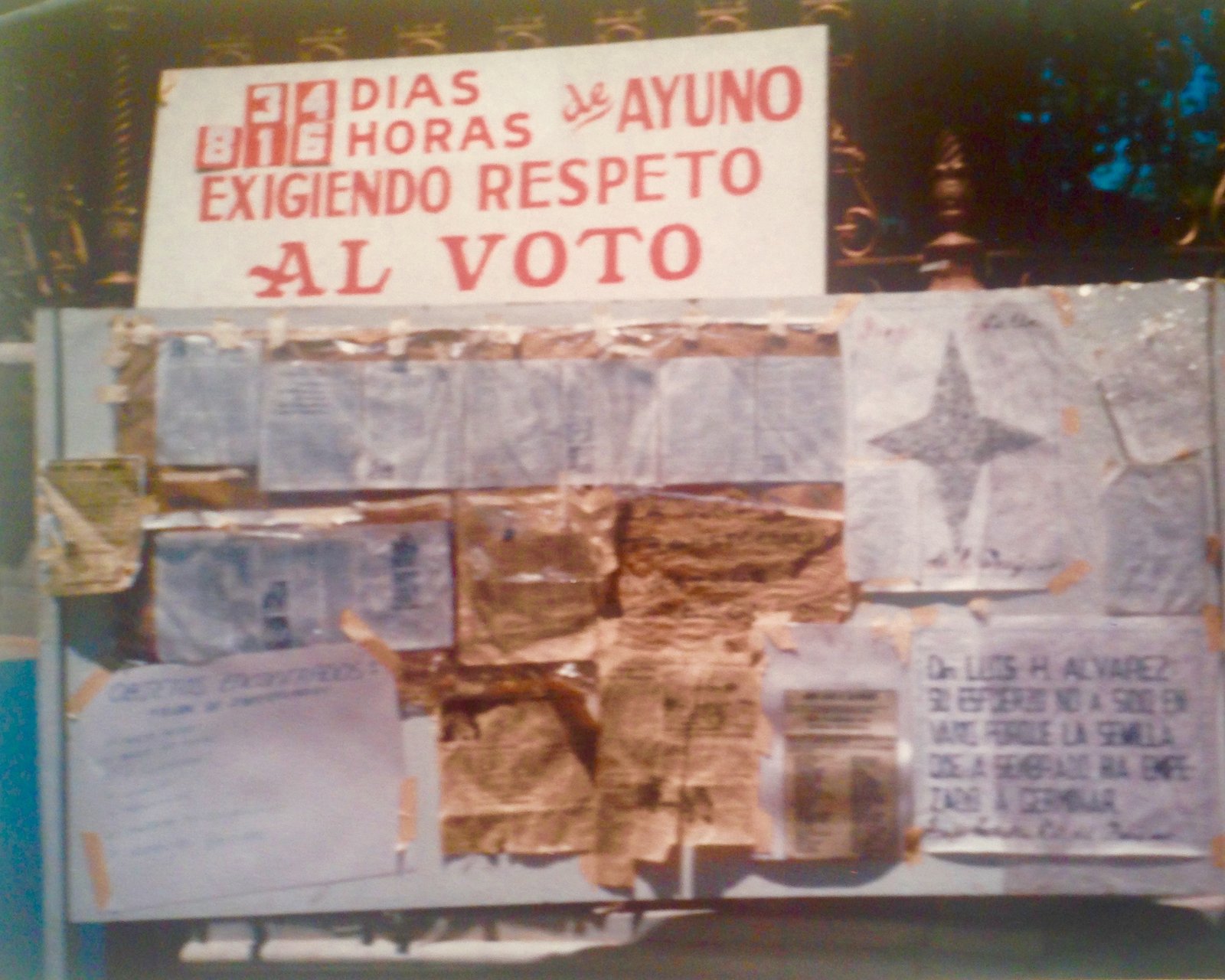
Here’s an article I wrote recently about cycles of generational violence and trauma for my good friends at News Decoder. It’s about El Salvador, where I worked in the early 1990s, but it could be about many other places too. Repression and violence breed future trauma, and where trauma is unresolved there is no lasting peace.
FMLN guerrillas in El Salvador, 1991. Photograph by Martin Langfield
I wrote a piece on Latin America’s protests in late 2019 – and why they matter, especially to young people – for my good friends at News-Decoder. Here’s a link! I think it stands up quite well still.
Photo by Martin Langfield, Chihuahua, Mexico, 1986.
My former mothership Reuters has announced the expansion of its award-winning e-learning course on helping newsrooms around the world spot deepfakes and manipulated media in 12 additional languages.
This is an excellent resource, instructive for anyone interested in learning how to spot real fakery and manipulation.
Shocking, I know, but here are 14 sensible recommendations for the upcoming U.S. elections and an executive summary that will take maybe two minutes to read. What are some other exciting words? Pragmatic. Non-inflammatory. Feasible. Worth a read.
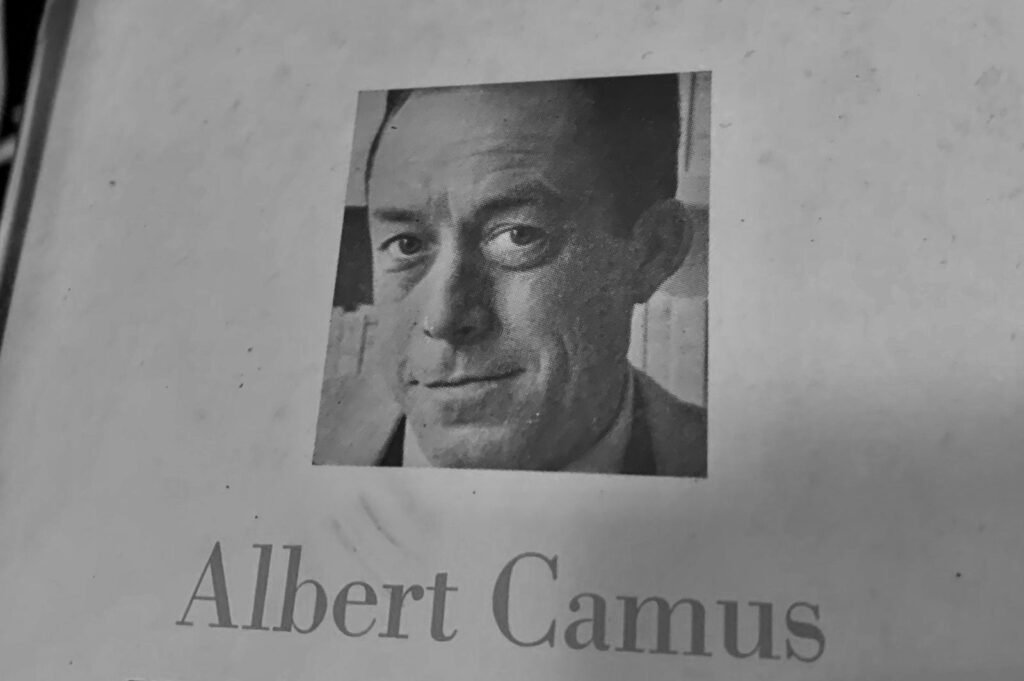
In this time of virus lockdown, social distancing and polarization, these lines from the final pages of “The Plague” by Albert Camus (1947) seem useful:
“(He) decided then to write the account which ends here, in order not to be among those who stay silent, in order to leave at least a memory of the injustice and violence done to them, and to state simply what we learn in the midst of plagues, that in humankind there are more things to admire than things to despise. But he knew nevertheless that this chronicle could not be that of a final victory. It could only bear witness to what had to be done and would have, no doubt, to be done still, against fear and its tireless weaponry, despite their personal losses, by all the people who, unable to be saints and refusing to accept pestilence, try nevertheless to be healers.”
Pléiade edition of Camus’ works, which I bought in Nantes in 1978. Photo by Martin Langfield
(Translation is mine. Camus uses “médecins” at the end, which means “doctors,” but since we can’t all be doctors like his narrator, I chose a broader term.)